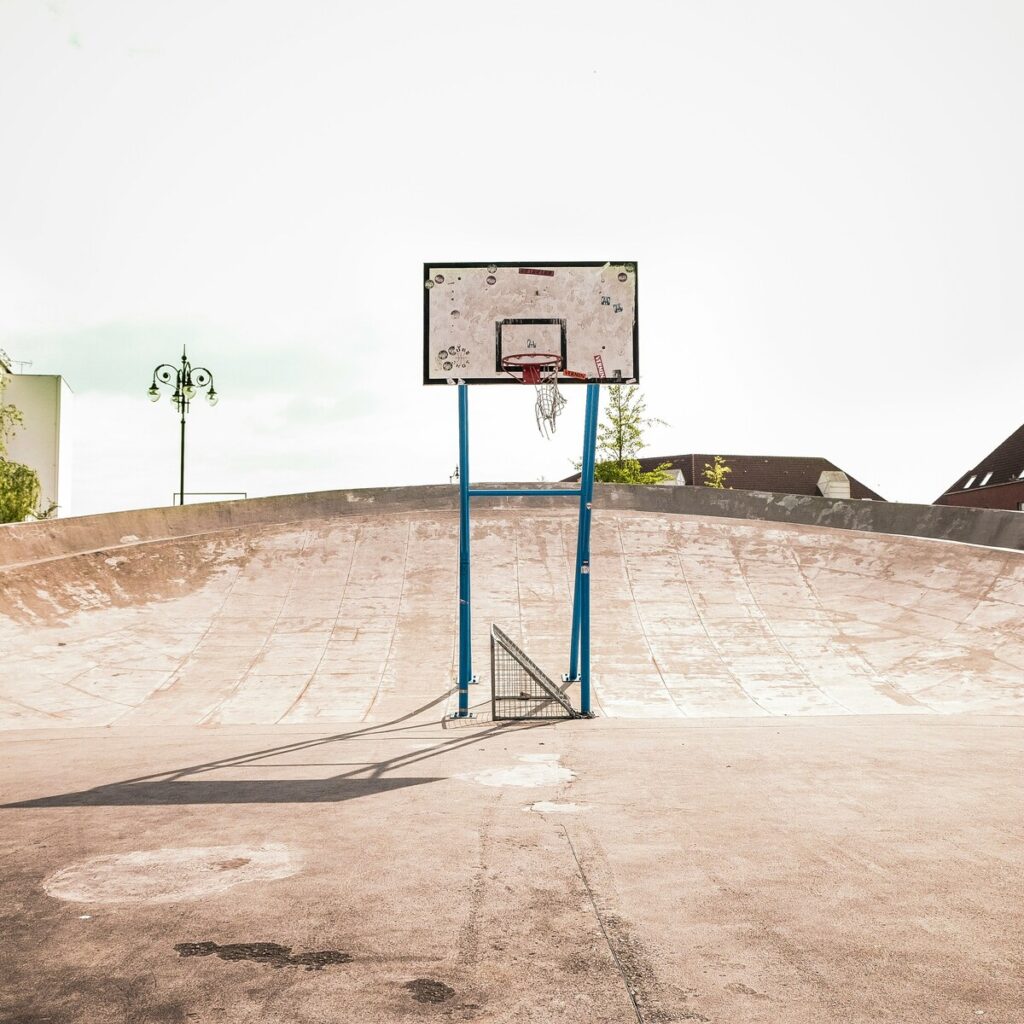
Courts are more than just playing surfaces; they are integral to the sports and recreational experiences that bring communities together. Whether it’s a tennis court, basketball court, or multipurpose sports area, maintaining these facilities is crucial to ensure safety, longevity, and optimal performance. Concrete is a popular choice for constructing courts due to its durability and low maintenance requirements. This blog post delves into the importance of concrete in court construction, effective maintenance strategies, and best practices for ensuring your court remains in top condition.
The Role of Concrete in Court Construction
Concrete is a preferred material for court construction for several reasons. Its inherent properties make it suitable for creating surfaces that can withstand heavy use and varying weather conditions.
Durability and Longevity
Concrete’s durability is one of its primary advantages. Courts constructed from concrete can endure significant wear and tear, making them ideal for high-traffic areas. Unlike other materials that may deteriorate quickly under constant use, concrete maintains its integrity over time, providing a stable playing surface for years.
Low Maintenance
Concrete courts require minimal maintenance compared to other materials like asphalt or clay. This low maintenance aspect is beneficial for facilities with budget constraints or limited access to regular upkeep services. Regular cleaning and occasional sealing are usually sufficient to keep a concrete court in good condition.
Versatility
Concrete can be finished in various ways to suit different sports and recreational needs. It can be textured, colored, or coated with special materials to enhance its performance characteristics. This versatility allows for the customization of courts to meet specific requirements, whether for tennis, basketball, or other activities.
Essential Maintenance Strategies for Concrete Courts
Despite its durability, concrete still requires regular maintenance to ensure it remains in optimal condition. Here are some essential strategies for maintaining concrete courts:
Regular Cleaning
Regular cleaning is vital to prevent the buildup of dirt, debris, and organic materials like moss or algae. These contaminants can make the surface slippery and unsafe. Use a leaf blower, broom, or pressure washer to clean the court thoroughly. For stubborn stains, a mild detergent and water solution can be effective.
Tip: Schedule routine cleanings based on the court’s usage frequency and surrounding environment. More frequent cleanings may be necessary in areas with heavy foliage or high foot traffic.
Surface Inspections
Regular inspections help identify potential issues before they become major problems. Look for cracks, chips, or uneven surfaces that could pose safety hazards. Small cracks can often be repaired with a concrete patching compound, while larger issues may require professional attention.
Tip: Conduct monthly inspections and after severe weather events to ensure any damage is promptly addressed.
Sealing the Surface
Sealing the concrete surface helps protect it from moisture, stains, and wear. A high-quality concrete sealant can extend the court’s life by preventing water penetration and reducing the impact of UV rays. Sealing should be done every 2-3 years, depending on the court’s usage and exposure to the elements.
Tip: Choose a sealant specifically designed for outdoor sports courts to ensure maximum protection and performance.
Resurfacing
Over time, even the best-maintained concrete courts may require resurfacing. Resurfacing involves applying a new layer of concrete or a specialized coating to restore the court’s appearance and performance. This process can address surface imperfections, improve traction, and extend the court’s lifespan.
Tip: Consider resurfacing if the court shows significant wear or if the playing surface becomes uneven. Professional resurfacing can provide a high-quality finish that meets sports-specific requirements.
Best Practices for Maintaining Concrete Courts
To keep concrete courts in top condition, follow these best practices:
Use Proper Equipment
Using the right equipment for maintenance tasks can make a significant difference. For cleaning, use soft-bristled brooms or pressure washers with appropriate settings to avoid damaging the surface. When applying sealants or resurfacing materials, follow the manufacturer’s instructions and use recommended tools.
Tip: Regularly check and maintain maintenance equipment to ensure it remains effective and safe to use.
Manage Vegetation and Drainage
Vegetation around the court can lead to issues like root intrusion and organic debris buildup. Keep surrounding vegetation trimmed and ensure proper drainage to prevent water from pooling on the court. Adequate drainage systems help reduce the risk of water damage and prolong the court’s life.
Tip: Install drainage channels or French drains around the court to direct water away from the playing surface.
Address Weather Impact
Concrete courts are exposed to various weather conditions, from intense sunlight to freezing temperatures. UV rays can cause surface discoloration and deterioration, while freeze-thaw cycles can lead to cracking. Applying protective coatings and sealants can mitigate these effects and maintain the court’s integrity.
Tip: Consider installing shade structures or using temporary covers to protect the court from extreme weather conditions.
Case Studies: Successful Concrete Court Maintenance
Community Tennis Court
A community tennis court faced issues with cracking and surface wear due to heavy use and exposure to the elements. The maintenance team implemented a comprehensive maintenance plan, including regular cleaning, annual sealing, and prompt crack repairs. Additionally, they resurfaced the court every five years. These efforts resulted in a well-maintained court that provided a safe and enjoyable playing experience for the community.
School Basketball Court
A school basketball court suffered from surface deterioration and unevenness. The maintenance team conducted monthly inspections and performed regular cleanings to keep the court free of debris. They also addressed drainage issues by installing perimeter drains and applied a specialized sports court sealant every two years. These proactive measures helped maintain a high-quality playing surface, enhancing the students’ sports experience.
The Future of Concrete Courts
As technology and materials science advance, the future of concrete courts looks promising. Innovations in concrete mixes, coatings, and maintenance techniques will continue to enhance the performance and longevity of sports courts.
Smart Concrete
Smart concrete technology, incorporating sensors and monitoring systems, can provide real-time data on the court’s condition. This innovation allows for proactive maintenance, identifying issues before they become major problems. Smart concrete can also enhance player safety by monitoring surface traction and temperature.
Eco-Friendly Solutions
Sustainability is becoming increasingly important in construction and maintenance. Eco-friendly sealants, coatings, and resurfacing materials are being developed to reduce environmental impact. These products offer the same protective benefits while being less harmful to the environment.
Conclusion
Concrete courts offer durability, versatility, and low maintenance, making them ideal for sports and recreational facilities. However, to maximize their lifespan and performance, regular maintenance is essential. By implementing effective cleaning, inspection, sealing, and resurfacing strategies, and following best practices, you can ensure your concrete court remains in top condition for years to come. As technology continues to evolve, the future of concrete courts promises even greater advancements in durability, safety, and sustainability.